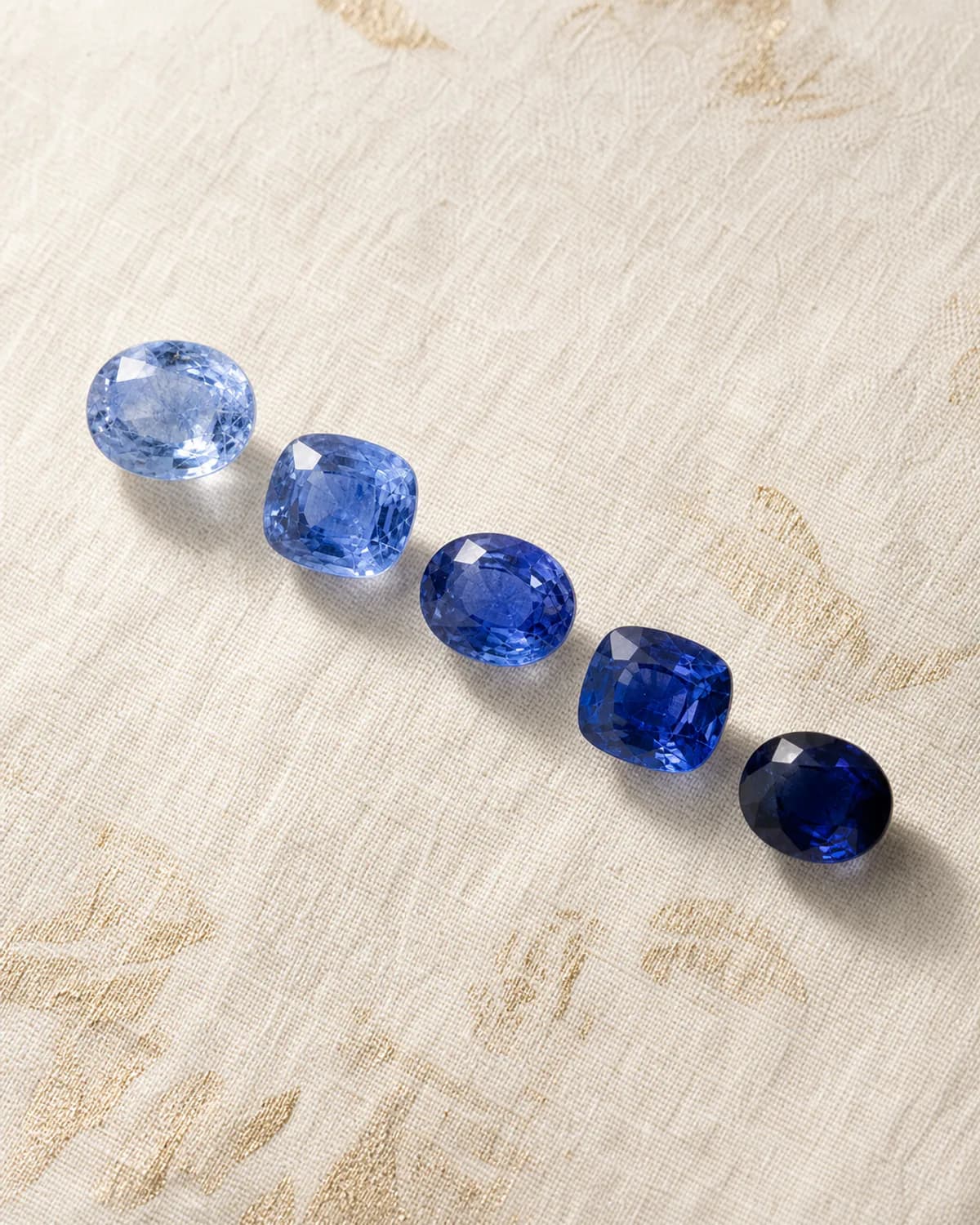
Blue is not one colour. In sapphires it is an entire geography — from airy pastel to near-black midnight — and two names sit at its summit: cornflower blue and royal blue. Both are famously associated with Ceylon, both command serious prices, and collectors argue endlessly over which is finer.
Here is what the names really mean, and how to choose between them.
How the trade describes blue
Gemmologists break colour into three parts: hue (the colour itself — pure blue, or blue leaning violet or green), tone (how light or dark it is), and saturation (how vivid or greyish). A top sapphire is a pure to slightly violet blue, of medium to medium-dark tone, with strong, even saturation — and no trace of grey.
Laboratories such as GRS, Gübelin and SSEF award the famous trade names only to stones meeting strict standards for all three.
Cornflower blue: the Ceylon signature
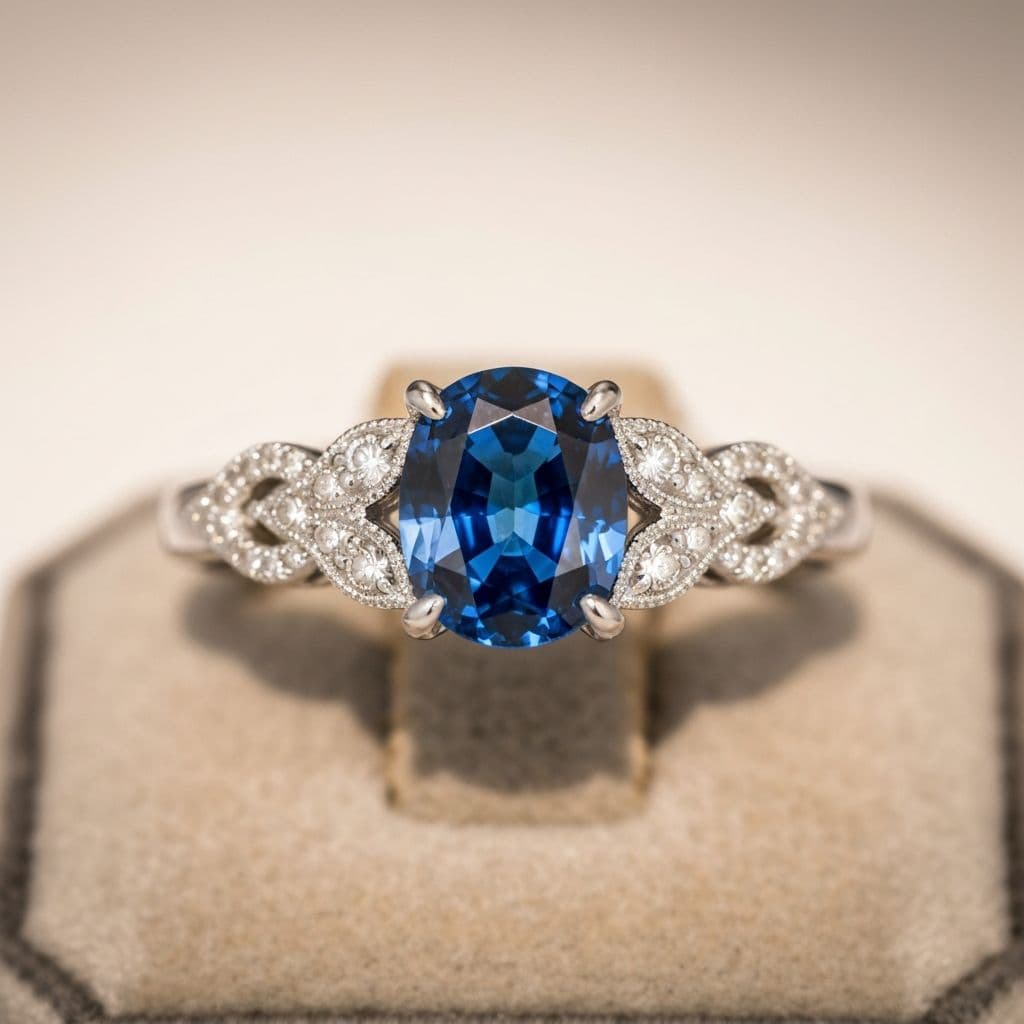
Cornflower blue is the soft, velvety, medium blue of the flower itself — bright and open, never heavy. The name first belonged to the legendary sapphires of Kashmir, whose sleepy, velvety lustre came from microscopic silk scattering the light.
Fine Ceylon stones share that quality: a lively, luminous blue that seems lit from within and refuses to go dark in the evening. It is the colour most people picture when they dream of a Ceylon sapphire — and the rarest thing about it is the velvet.
Royal blue: the most coveted
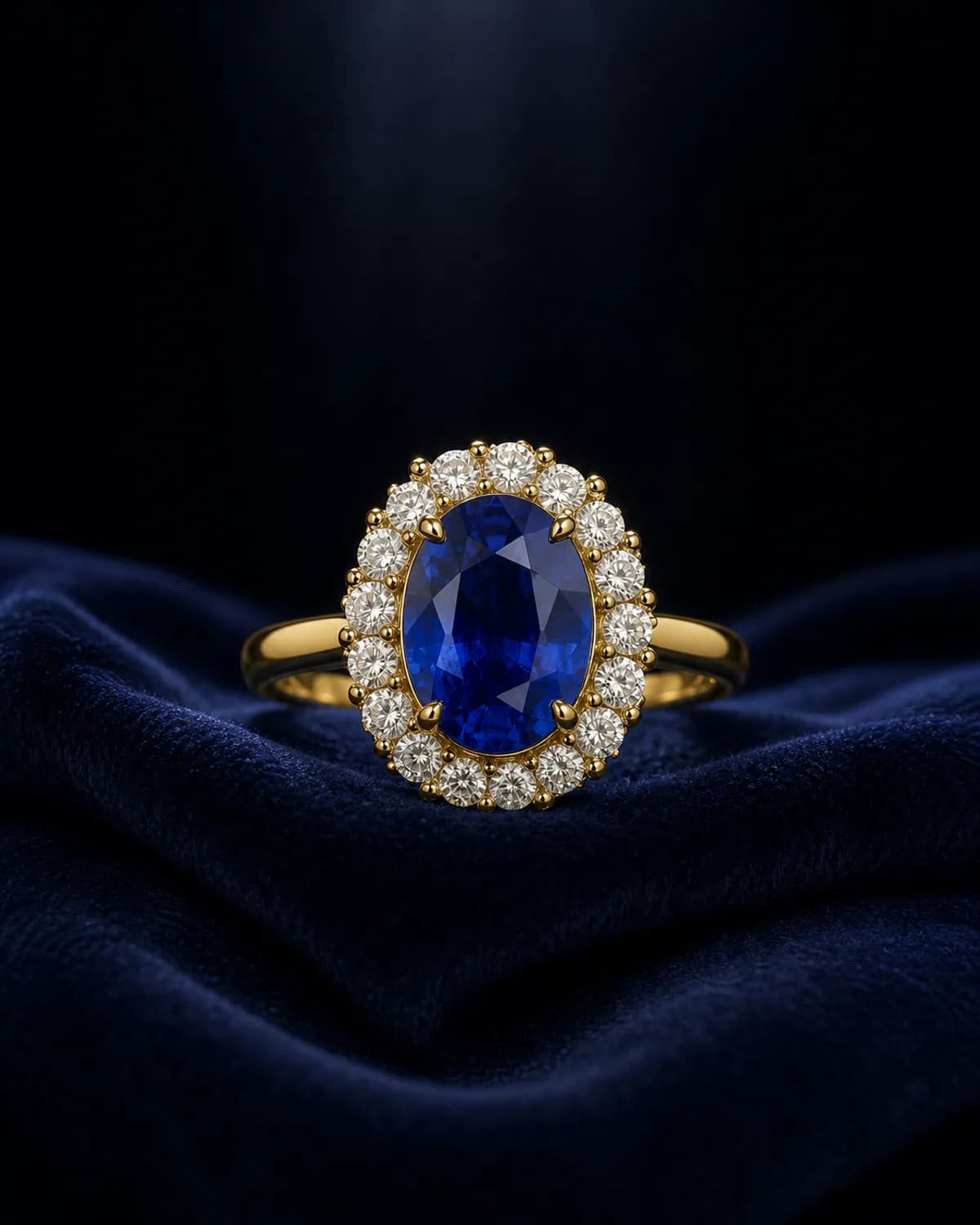
Royal blue sits deeper and richer: a vivid, saturated, medium-dark blue with regal weight. Where cornflower charms, royal blue commands. It is the colour of the great auction stones, and carat for carat it typically carries the highest prices of any blue.
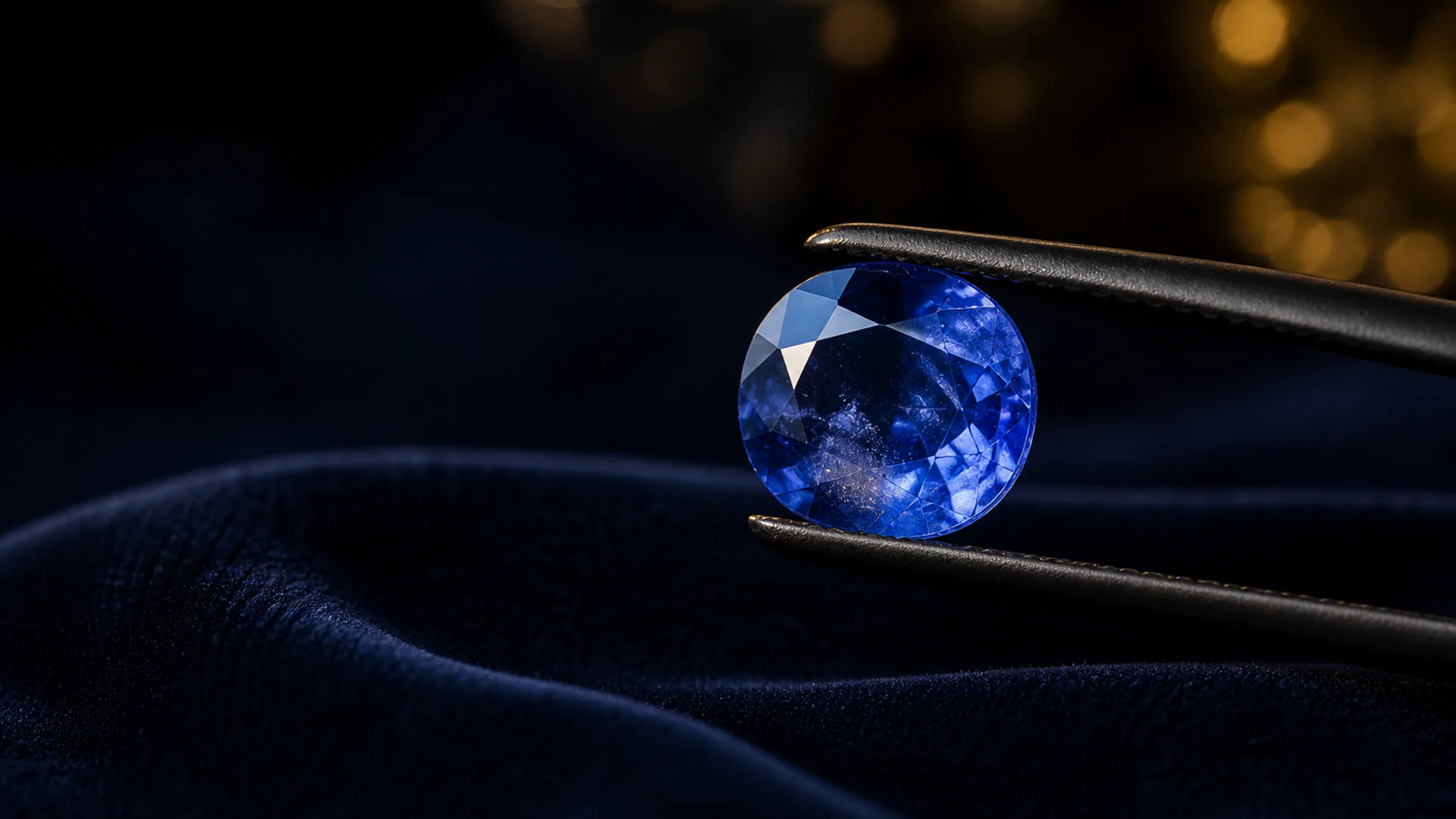
The danger at this depth of colour is going too far — a stone that tips past royal blue into inky darkness loses both light and value. The finest royal blues stay electric even in shade.
The other blues worth knowing
Beyond the two famous names, a spectrum of beautiful blues exists:
- Sky and pastel blue — delicate, feminine, and far more affordable; lovely in jewellery
- Velvet blue — deep and softly glowing, between royal blue and midnight
- Peacock blue — a rare blue-green-violet shift prized by collectors
- Midnight blue — very dark stones; dramatic, but the least expensive end of the spectrum
Which blue holds value best?
The market's verdict is consistent: vivid, saturated stones of medium to medium-dark tone — royal blue first, fine cornflower blue immediately behind — hold and grow value best, especially unheated. Pale stones and inky stones lag, whatever their size.
But the rule every dealer eventually admits is this: buy the blue that stops you. A stone you love looking at is one the next buyer will love too.
Choosing with your own eyes
Judge colour in north daylight or good neutral light, never under spotlights alone. Tilt the stone: the colour should stay alive across the whole face, without a pale 'window' in the middle or dead dark patches at the edges. Then compare it against another stone side by side — colour is relative, and your eye calibrates instantly.
Every Ceylon blue sapphire in our collection is photographed exactly as it is — no retouching, no enhancement — so the colour you see is the colour nature made. If you'd like to compare cornflower and royal blues side by side, our gemologists will gladly arrange it.
See the stones for yourself
Natural, untreated, independently certified — every stone in our collection is one of one.