Chapter 01
The mines of Ratnapura
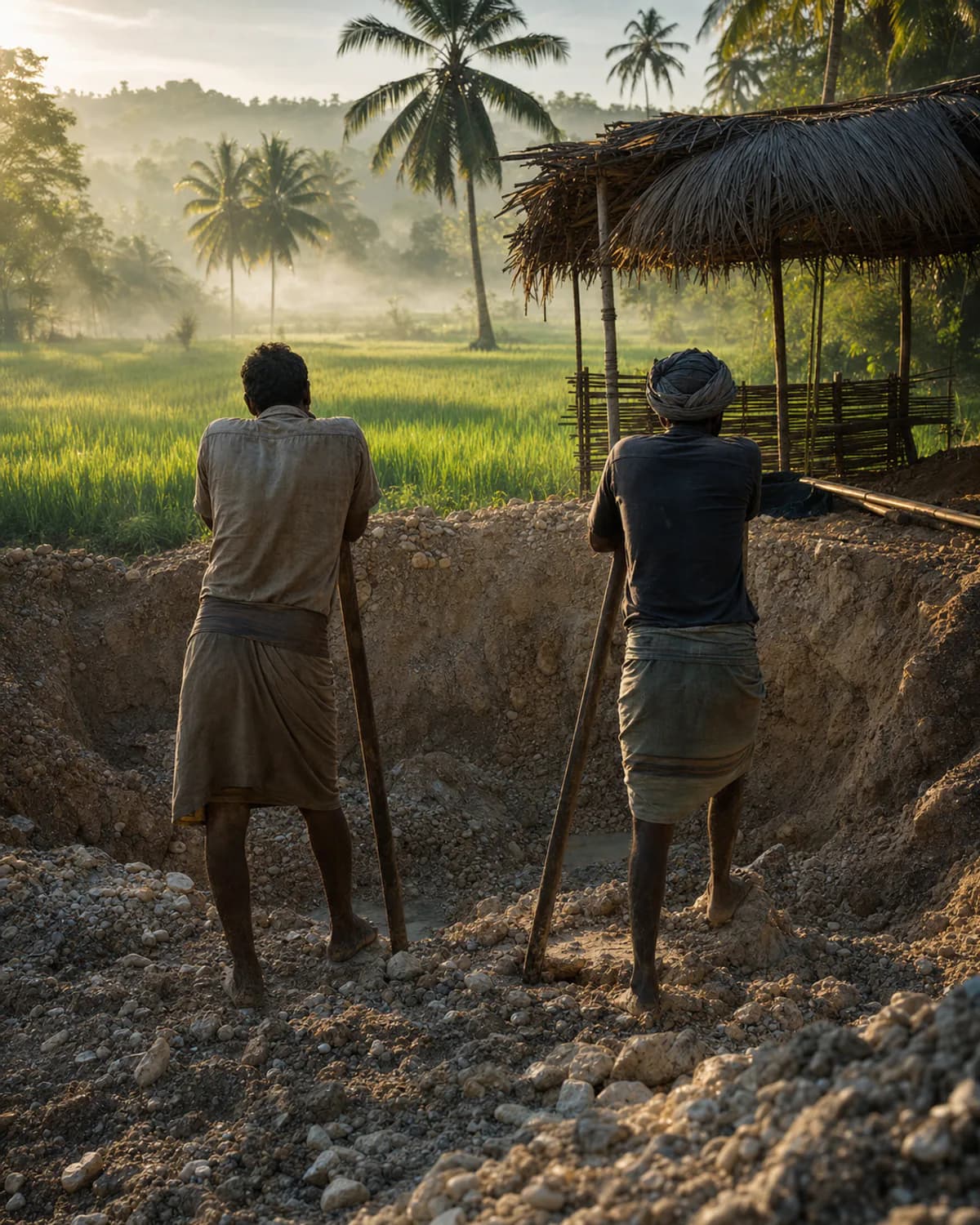
In the island's southwest, the 'City of Gems' has yielded sapphires for over two millennia. Shallow pits, sunk by hand into ancient river gravels, remain the gentlest way to reach them.
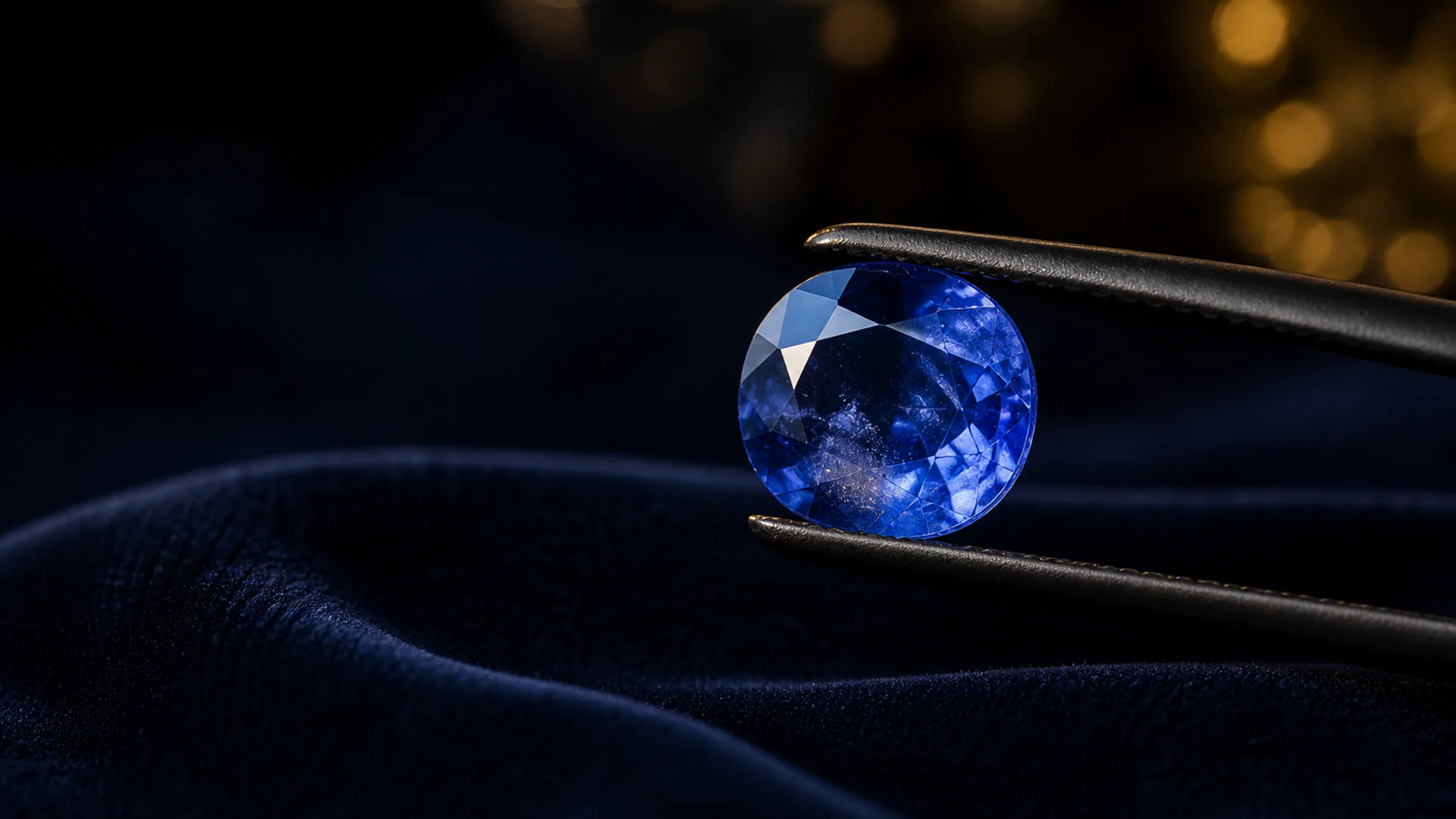
Ratnapura · Sri Lanka
For over two thousand years, one island has given the world its most coveted blue. Kings wore it. Empires traded it. Ours are natural, untreated, and certified at origin.
0
Mohs hardness
Second only to diamond
0+
Years of recorded trade
From ancient Rome to today
0.00
Refractive index
The source of its fire
0.00
Specific gravity
Dense, durable corundum
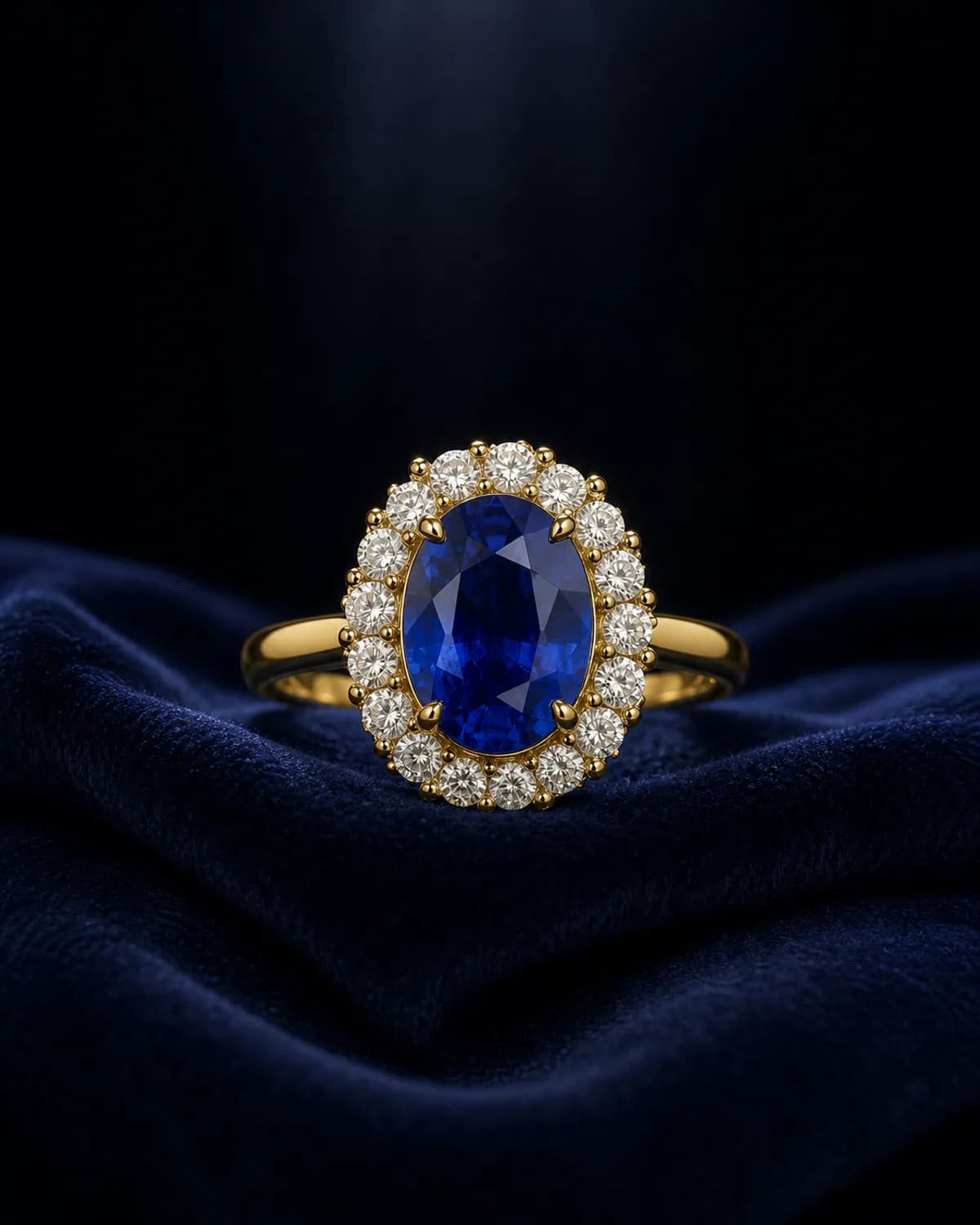
“The most famous engagement ring in the world carries a Ceylon blue sapphire at its heart.”
A stone of legend
c. 77 AD
Rome's great naturalist records the gem riches of the island Greeks called Taprobane — Ceylon's sapphires enter Western history.
1292
The Venetian marvels at the island's sapphires, among the finest he has seen in all his travels through the East.
1901
The largest gem-quality blue star sapphire ever found, mined in Ceylon, is gifted to the American Museum of Natural History by J.P. Morgan.
1960
A flawless Ceylon cushion-cut, among the largest faceted blue sapphires in existence, finds its home at the Smithsonian.
1981
A 12 ct oval Ceylon blue sapphire becomes Lady Diana Spencer's engagement ring — today worn by the Princess of Wales.
2014
This Ceylon giant sells for $17.3 million, setting a world record price for any sapphire at auction.
A legend of colour
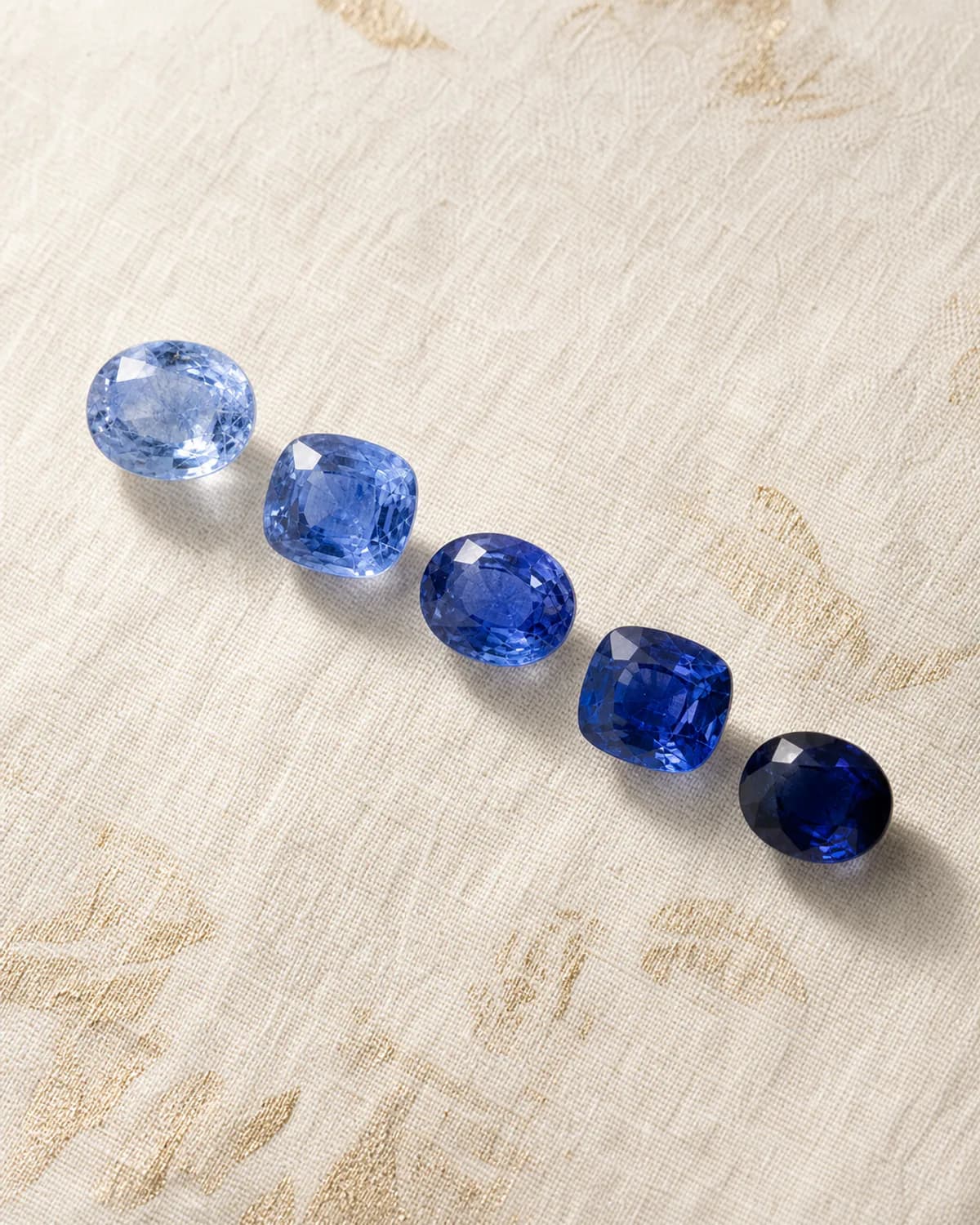
Trace iron and titanium, sealed in corundum half a billion years ago, paint Ceylon sapphires in a spectrum of blue — from airy cornflower to the deep, velvety royal blue the world’s collectors chase. Ceylon stones are famed for a bright, open colour that stays alive even in low light.
Sky Blue
Cornflower
The Ceylon signature
Royal Blue
The most coveted
Velvet Blue
Midnight
Born of the island
Sri Lanka — Serendib, Taprobane, the ‘Island of Gems’ — is the oldest sapphire source on earth. We buy at origin, from mining families we know by name.
Chapter 01
In the island's southwest, the 'City of Gems' has yielded sapphires for over two millennia. Shallow pits, sunk by hand into ancient river gravels, remain the gentlest way to reach them.
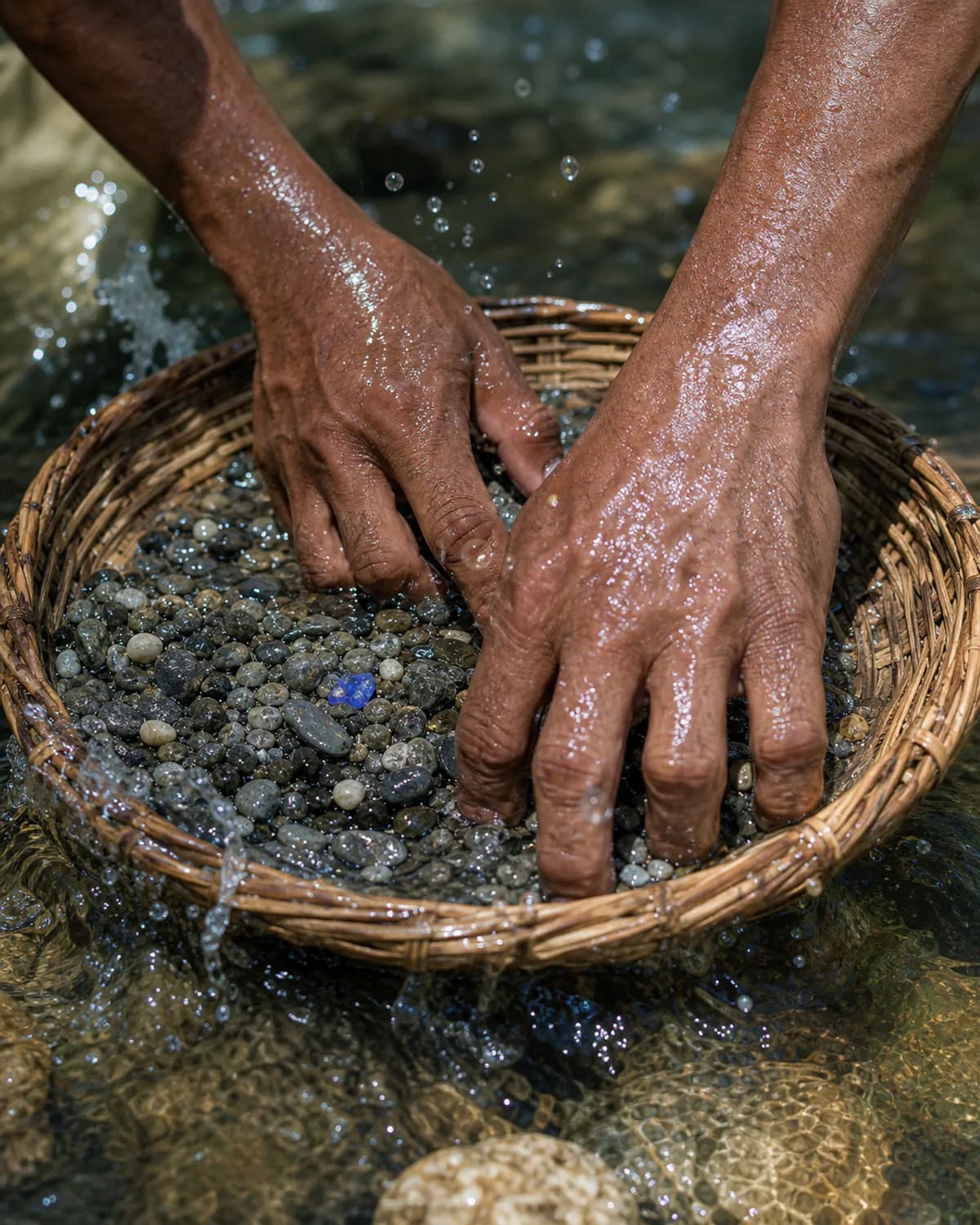
Chapter 02
Gravels from the Kalu Ganga are washed in woven baskets — a rhythm unchanged for centuries. Each basket is a lottery of light: most hold nothing, some hold history.
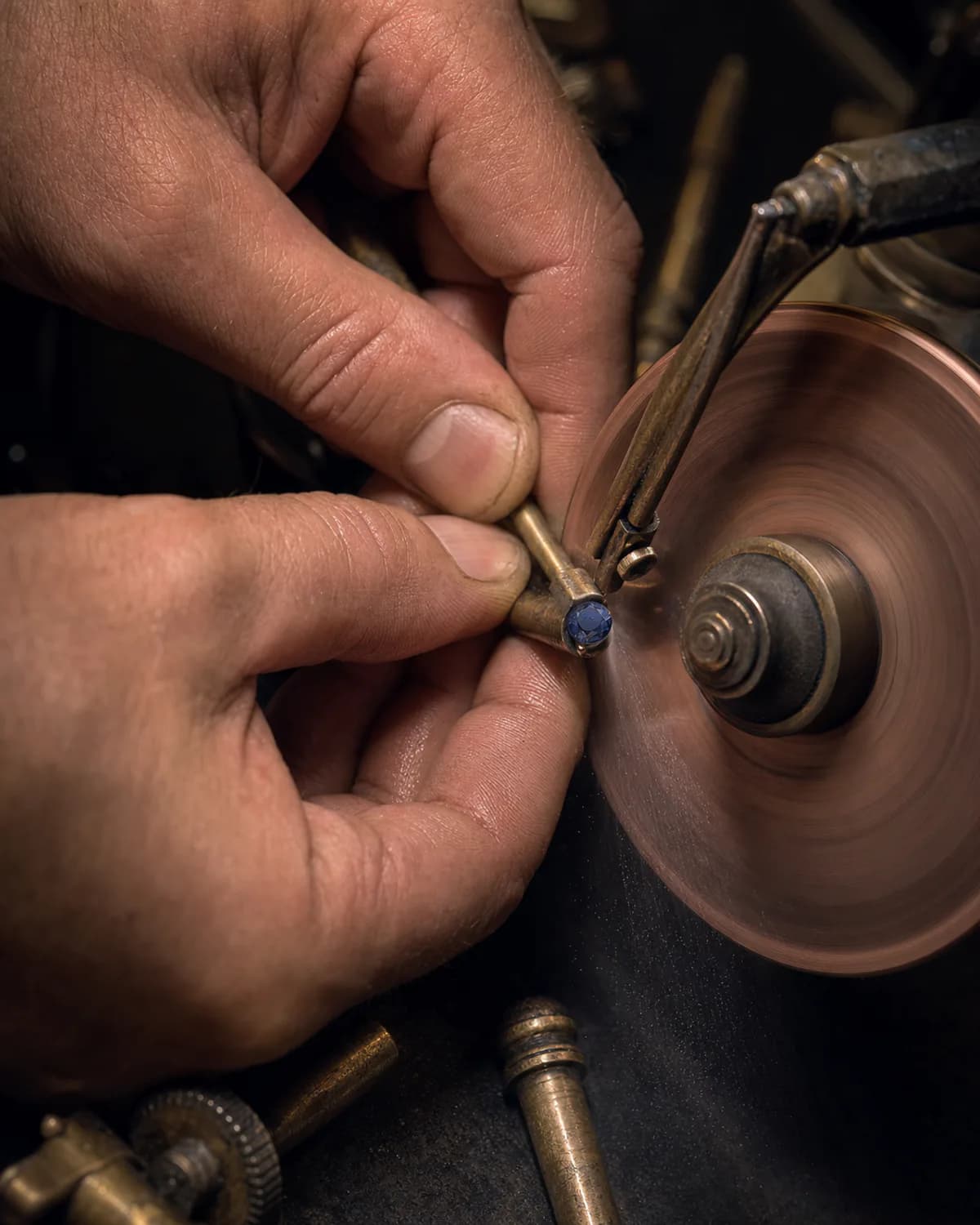
Chapter 03
Master lapidaries orient every rough crystal by eye, cutting to deepen colour and protect weight. A single wrong angle can cost a carat — or the colour itself.
Anatomy of a legend
Four virtues decide a stone’s destiny. Tilt a card — feel the depth.
Iron and titanium, locked in corundum for 500 million years, produce the island's signature velvety blue — vivid, never inky.
Microscopic rutile 'silk' softens incoming light, giving fine Ceylon stones their famous inner glow.
Oval and cushion cuts are favoured to deepen colour and protect weight — each stone oriented by hand, by eye.
Ceylon's gravels yield unusually large, clean crystals. Fine stones above five carats remain within reach.
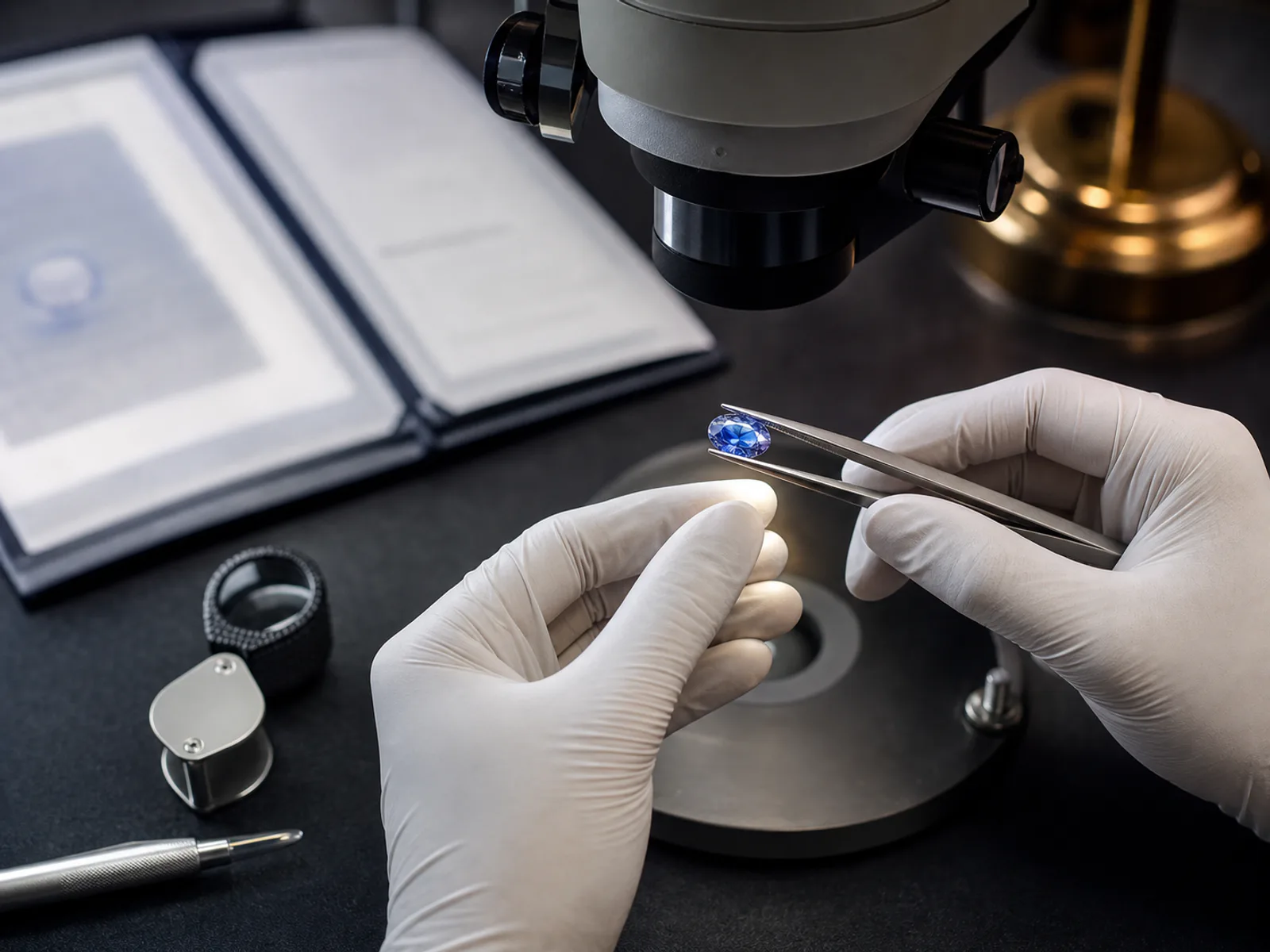
Certified, always
Every Ceylon blue sapphire we offer is independently certified by internationally recognised laboratories — verifying natural origin, and confirming the absence of heat or any other treatment. What you see is what the earth made.
A wearable asset
Fine unheated Ceylon blue sapphires have quietly outperformed for decades — finite supply, growing demand, and auction records that keep climbing. Wear it for a lifetime; pass it on for generations.
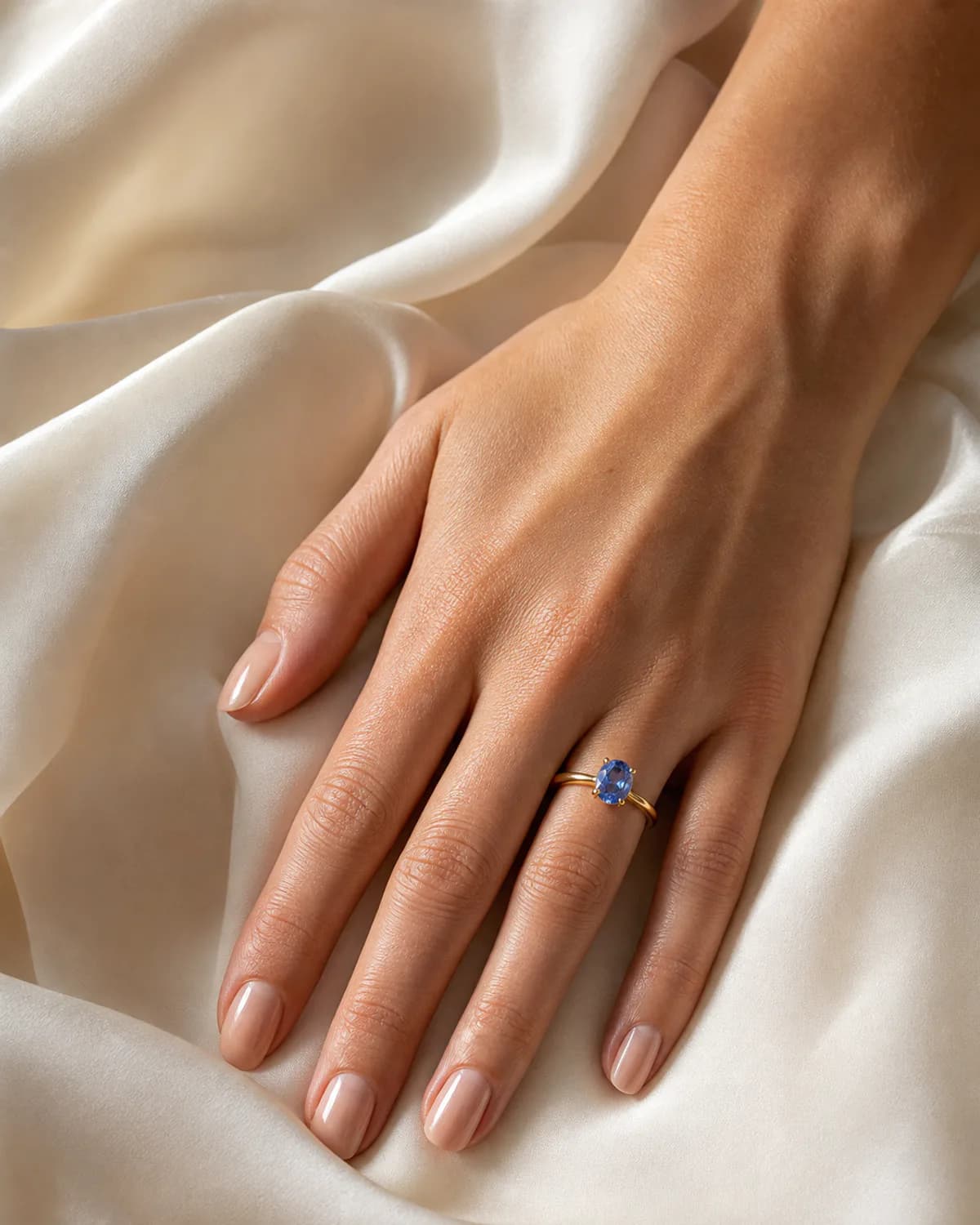
Buyer’s guides
Price per carat, heated vs unheated, cornflower vs royal blue, the world’s most famous engagement ring — honest answers from our gemologists, before you buy.
Questions, answered
The questions buyers ask us most — answered plainly by our gemologists in Colombo.
SPR Gems · Colombo
Each Ceylon blue sapphire in our collection is natural, untreated, certified — and one of one. When it’s gone, it’s gone forever.