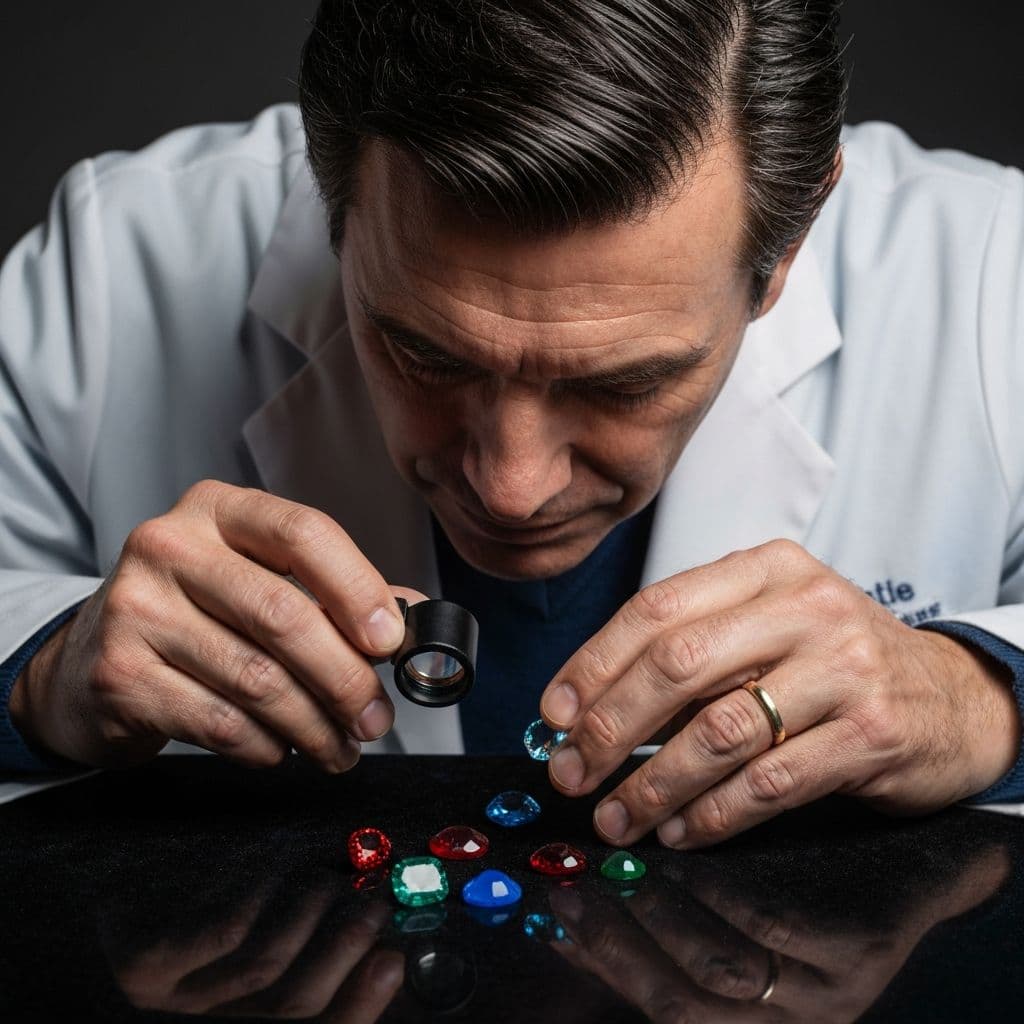
The uncomfortable truth about gemstones is that the fakes are excellent. Modern synthetic corundum, coloured glass and assembled stones can fool a practised eye across a showroom counter — they are meant to.
No single home test is conclusive, but together these seven checks will catch most impostors, and tell you when to insist on the one verdict that never lies: an independent laboratory report.
1. Start with the paper, not the stone
The single most reliable indicator that a gemstone is real is boring: an independent certificate from a recognised laboratory, matching the stone's weight and measurements exactly. Reputable sellers volunteer it. If paperwork is dismissed, delayed or 'available for extra', you have learned something important already.
2. Read the inclusions
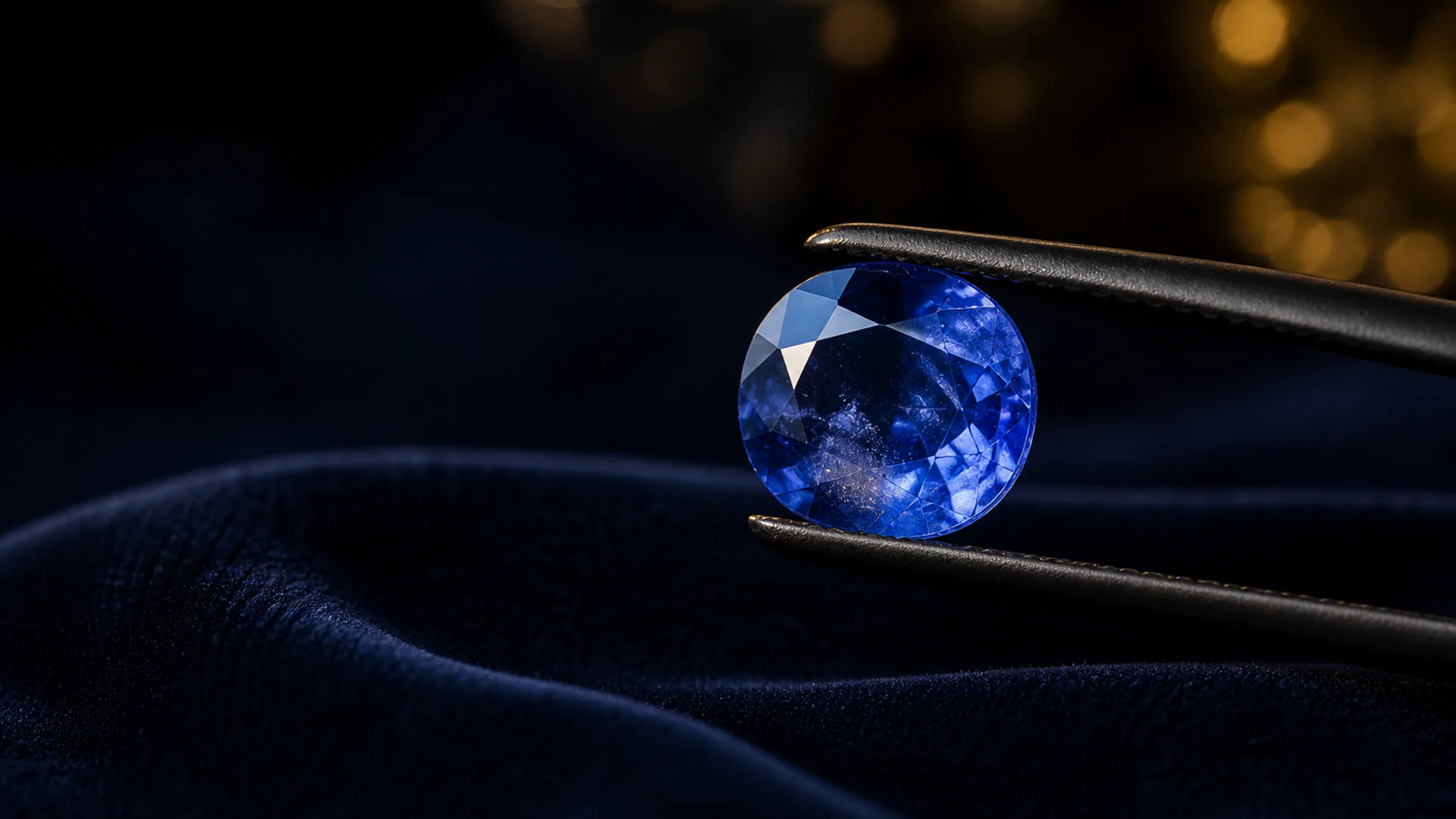
Nature leaves fingerprints. Under a 10x loupe, natural gemstones show crystals, needles, fingerprints and growth zoning — tiny evidence of half a billion years underground. Two findings should set off alarms: round gas bubbles and swirling flow lines (the signature of glass), and curved growth striae like vinyl grooves (the signature of cheap flame-fusion synthetics).
Inclusions are not the enemy — a natural stone with honest inclusions is infinitely preferable to a 'perfect' impostor.
3. Distrust perfection
Fine natural gemstones are rarely flawless, and flawless ones are never cheap. A large, vividly coloured, totally clean stone at a friendly price is the classic shape of a fake or a synthetic. In gems, as in life, if it looks too good to be true, it usually is.
4. Temperature, weight and hardness
A few physical checks help at the margin. Natural stones feel cool against the lip or cheek and warm slowly; glass matches skin temperature quickly. Glass also feels oddly light for its size. And a genuine sapphire or ruby (hardness 9) will scratch a steel blade without taking a mark — though we don't recommend testing someone else's stone this way.
These are hints, not verdicts: good synthetics pass them all.
5. Know the usual suspects
Most 'fake' gems fall into a handful of categories:
- Coloured glass — bubbles and swirls under the loupe; warm and light in the hand
- Synthetic corundum or spinel — laboratory-grown, chemically real but worth a fraction of mined stones; look for curved growth lines
- Doublets and triplets — a sliver of real gem glued to glass or synthetic; check the girdle edge for a glue line
- Diffusion-treated stones — colour living only at the surface, often betrayed by uneven colour at the facet edges
- Undisclosed heating — a natural stone, but not the untreated rarity you're paying for; only a lab can confirm
6. The price test
Learn the rough market price of what you're buying. A 'fine unheated royal blue Ceylon sapphire' offered at a tenth of its market value is not a bargain — it is a lesson waiting to happen. Rarity has a floor price, and nobody sells below it by accident.
7. When in doubt, the lab
For any meaningful purchase, the definitive answer costs little: an independent gemmological laboratory will identify the species, detect synthetics, and report treatments. A modest testing fee can save an immodest mistake — and any honest dealer will welcome the scrutiny.
Every stone we sell comes with an independent laboratory certificate as standard — origin and treatment disclosed in writing, photographed exactly as it is. It's the simplest answer to the oldest question in the trade.
See the stones for yourself
Natural, untreated, independently certified — every stone in our collection is one of one.