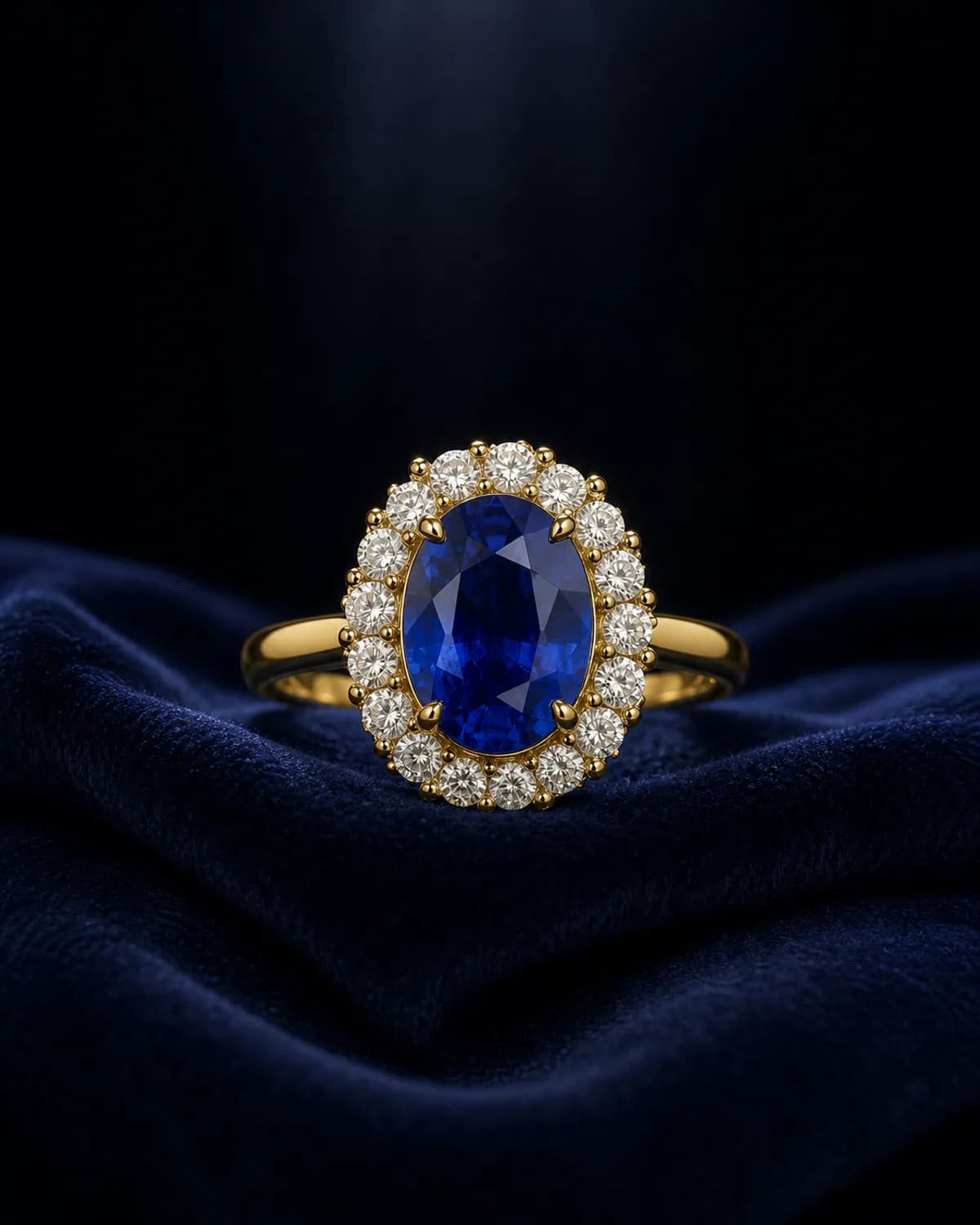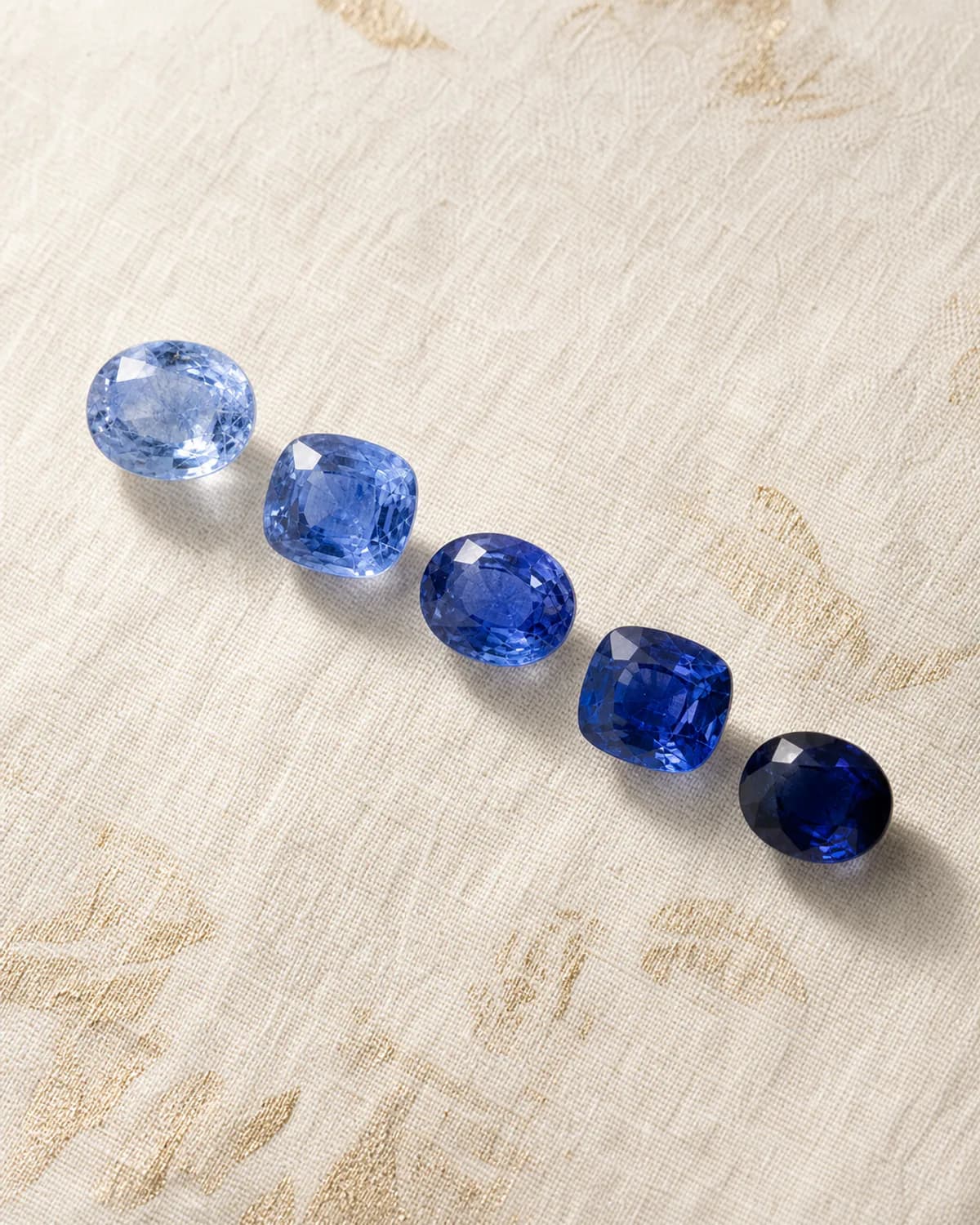
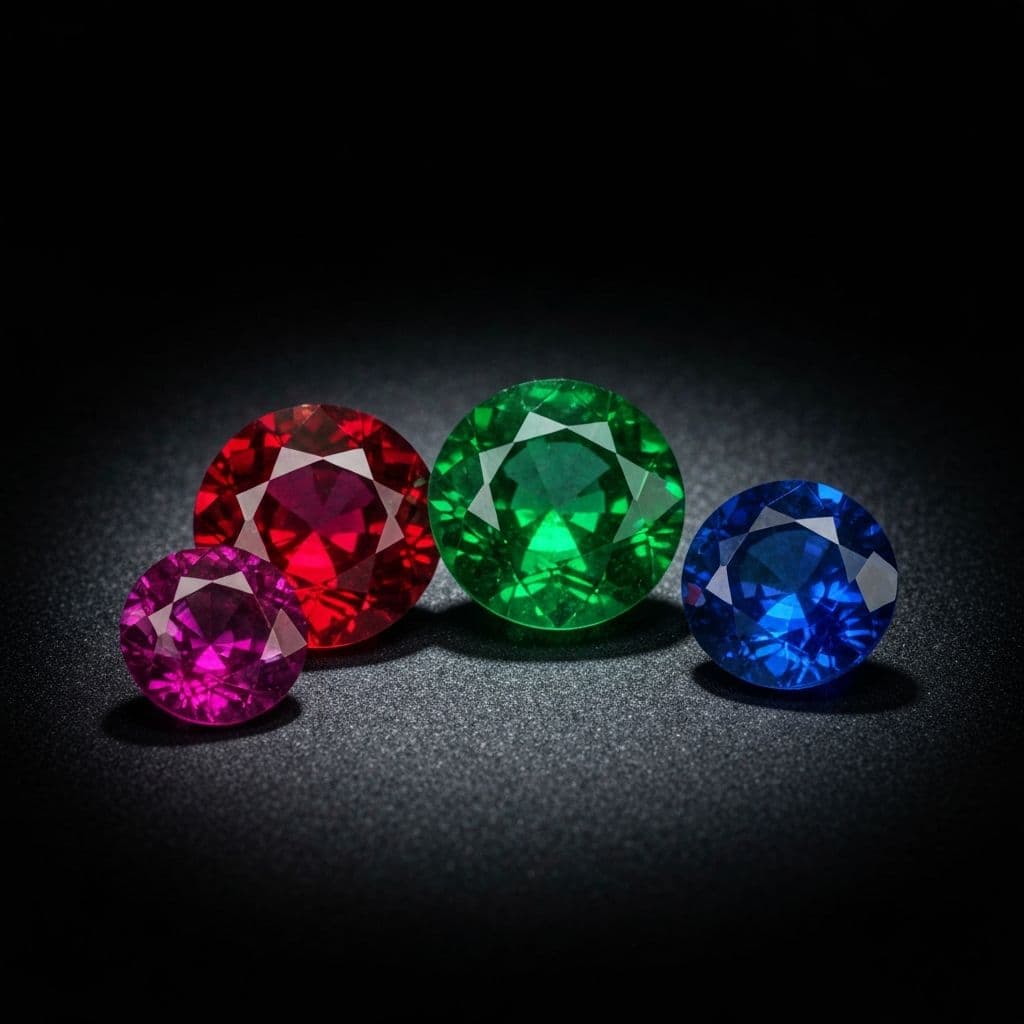
The jewellery world still divides gemstones into two castes: the 'precious' four — diamond, ruby, sapphire and emerald — and everyone else, filed under 'semi-precious'. It is one of the oldest labels in the trade, and one of the most misleading.
Understanding where the divide came from, and why it no longer reflects value, will make you a far better buyer.
Where the labels came from
The distinction is centuries old, born when the big four were the rarest and most coveted materials known to European royalty. Everything else — amethyst, garnet, topaz, tourmaline — was common by comparison, and so 'semi-precious' entered the language as a polite word for 'less valuable'.
The label stuck long after the facts moved on. Many 'semi-precious' stones are today far rarer than the precious ones.
Why the label misleads
Value in gemstones is stone-by-stone, not category-by-category. A fine, unheated spinel or a top tsavorite garnet is worth many times a poor-quality 'precious' sapphire — yet the labels would rank them the other way around. 'Semi-precious' quietly became a marketing discount on some of the rarest beauty on earth.
The major laboratories and auction houses never use the term, and many trade bodies actively discourage it. Collectors should ignore it entirely.
The 'semi-precious' stones the trade quietly respects
Some of the most exciting gems in today's market carry the label:
- Spinel — the great pretender of crown jewels, now finally recognised; fine reds and hot pinks rival ruby for beauty
- Tsavorite garnet — a green richer than most emerald, and far rarer
- Paraíba tourmaline — neon blues that broke every price record for a 'semi-precious' stone
- Alexandrite — the colour-change marvel, emerald by day and ruby by night
- Fine aquamarine, morganite and tanzanite — beloved by jewellers, with top examples genuinely scarce
What actually makes a gem valuable
Four things, always: rarity, beauty, durability and demand. A stone that is genuinely scarce, magnificent to look at, hard enough to wear for generations and wanted by buyers will hold value whatever label history gave it. A common, sleepy stone from a 'precious' species will not.
This is why the smartest collectors buy quality within a species rather than the species label itself.
So how should you buy?
Forget the caste system. Buy natural, untreated stones of fine colour from any species that moves you, with independent certification — and buy the best example your budget allows rather than the biggest name. The market rewards quality and rarity, not vocabulary.
Our collection spans the famous and the unfairly overlooked — sapphires and rubies alongside spinels and other fine species — every stone chosen on the only criteria that matter: natural, untreated, certified, and beautiful.
See the stones for yourself
Natural, untreated, independently certified — every stone in our collection is one of one.